Search

Independent Impact Evaluation of the AWS System

Phase Two: Good Water Governance

The AWS Standard is a globally applicable framework for water stewardship, structured around five key outcomes: good water governance, sustainable water balance, good water quality, healthy Important Water-Related Areas (IWRAs) and access to Water, Sanitation and Hygiene for all (WASH).

Identifying the impacts of the AWS Standard on these outcomes is essential for ensuring its reliability and credibility. For this reason, AWS commissioned an independent evaluation looking at the mid- to long-term effects of implementing the AWS Standard and achieving AWS Certification, with a particular focus on good water governance.

Why good water governance?

Good water governance is foundational to all of AWS’s goals because it sets the framework (via a process, policy or institution) within which water stewardship takes place. Effective water stewardship helps to better understand local water challenges, which then helps to improve and shape processes, policies and institutions, meaning that it both informs and is informed by good water governance.

Based on recommendations from the Phase One report, this impact evaluation looked at how and to what extent implementing the AWS Standard, including achieving AWS Certification, was accomplishing good water governance and, through this, contributing to other outcomes and overall effectiveness. 

Because of the requirement of stakeholder engagement, we’re able to share our story more broadly, and we’re able to partner with people better.

Site Manager 12

Through water source conservation activities in natural water forests, we can conserve more than twice the amount of groundwater used in our factories.

Site Staff Survey, Japan

Phased design lowers the implementation barrier, enabling factories to gradually improve water management performance according to their capabilties.

Site Manager 3

What did we find out?

01

Positive impacts of the AWS Certification process:

  • Social impacts: Better engagement with local communities, increased awareness of water stewardship, improved access to water.
  • Environmental impacts: Improved water quality and water balance, groundwater recharge, new biodiverse habitats.
  • Economic impacts: Lower costs through reduced water use, growth of agro-industrial production and subsequent job creation due to improved water flow and quality.
02

Unintended impacts of the AWS Certification process:

  • Positive impacts: Knock-on effects of reputational benefits, increased community engagement and understanding, closer collaboration with other businesses and public authorities and access to new funding.
  • Challenges: Increased exposure to criticism due to greater transparency, as well as unrealistic expectations from public stakeholders when working in partnerships.
03

Attribution of impacts to the AWS Certification process was generally strong.

Most site managers felt that the work they put into achieving AWS Certification accelerated progress and provided structure, credibility and motivation for continuous improvement.

[The AWS Standard] provides a systematic framework, clear goal orientation, multi-stakeholder collaboration mechanism and continuous improvement drivers.

Site Manager 3
04

Clear links between the impact of good water governance and other AWS outcomes:

  • Good water quality: Coordinating collective river clean-ups and water quality monitoring actions.
  • Sustainable water balance: Carrying out detailed water flow analyses in preparation for AWS Certification, which then informed plans for reducing water consumption.
  • Healthy Important Water-Related Areas (IWRAs): Turning ponds into green recreational spaces and setting up water governance structures to ensure their maintenance.
  • Access to Water, Sanitation and Hygiene (WASH) for all: Partnering with not-for-profit organisations to mobilise funds and deploy WASH facilities in local communities.
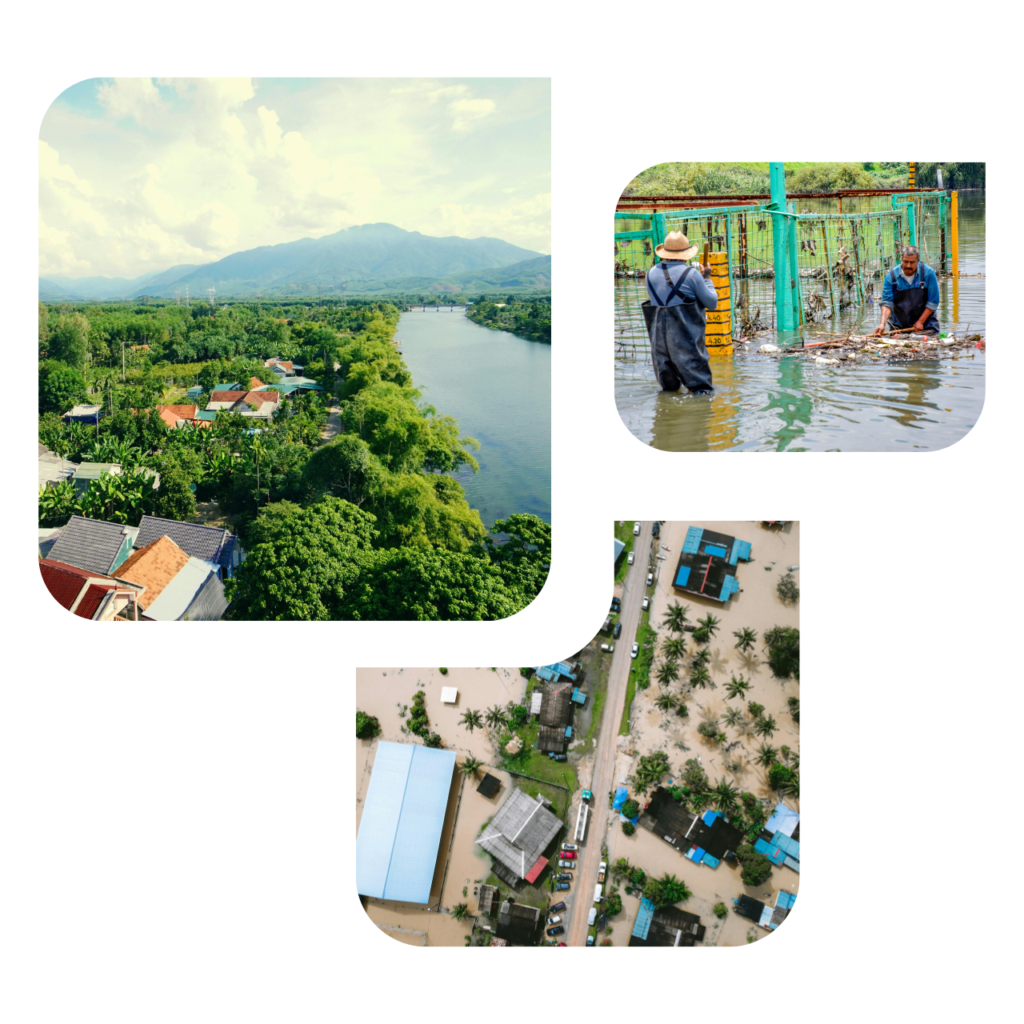
A river in Japan

A closer look

Increasing local awareness of water governance - Suntory Group, Japan

Suntory Group offers a diverse portfolio of drink products along with health and wellness products. Its Kyushu Kumamoto Plant was completed in 2003 and received AWS Platinum Certification in February 2023.


The company has a long history of water stewardship, but local Suntory staff felt that prior to AWS Certification, these initiatives were more “piecemeal” and reported that working towards the AWS Certification had made them “more systematic, more organised”. They now have an annual plan of activities to promote water governance and raise awareness of water resource conservation for future generations.


These include a school teaching programme, online classes available to elementary schools all over Japan, and training for local residents about the importance of groundwater in Kumamoto Prefecture.  


In March 2025, five companies, including Suntory, announced their collaboration as AWS Members to advance credible water stewardship in Japan. Convened by AWS, the Japan Water Stewardship Leadership Group supports the AWS Mission. Their purpose is to help build recognition and demand for credible water stewardship amongst companies operating in and from Japan. 

What factors contributed to change?

Multiple elements and characteristics of the AWS System and various external factors were found to help achieve good water governance:

  • Stakeholder engagement and working across catchments.
  • AWS Standard and Guidance structure, and tiered indicators.
  • AWS Certification being recognised as global, credible and trustworthy.
  • AWS Training.
  • Flexible governance practices, supportive corporate culture, strong leadership, employee incentives.
  • Monitoring and reporting to strengthen internal governance structures.
  • National government and private sector initiatives to strengthen water stewardship, leading to regulatory alignment and enhanced compliance.
  • Business partnerships and joint initiatives between public and private sector organisations.

A few obstacles were also identified. These included factors such as the demands of the AWS audit process, government restrictive regulations, limited recognition of AWS Certification, shifting political priorities, socio-economic pressures and climate-related events.

A closer look

Collaborative working to achieve a shared vision - Agricola Chapi, Peru

Founded in 1997, Agrícola Chapi SA produces and exports fruit and vegetables from two sites in Ica, Peru. The integrated catchment of the local Ica river is one of the most crucial water resources for Peru’s economy but it, and the Peruvian coast in general, is water stressed.


Agrícola Chapi has made significant efforts to promote good water governance aligned with the principles of water stewardship. In 2021 the company joined with other local agro-exporters to form a non-profit organisation, XynergICA, which seeks to demonstrate the relevance of connections and interactions between multiple actors in achieving shared visions of sustainable development and prosperity for the region. 


As a member of XynergICA, Agricola Chapi has promoted the biggest aquifer recharge project implemented in Ica and has shown a way forward for addressing the current water shortage. XynergICA worked with the Board of Water Users of Rio Seco (JUSH), the National Water Agency (ANA) and the regional government to make the project a reality.

What next?

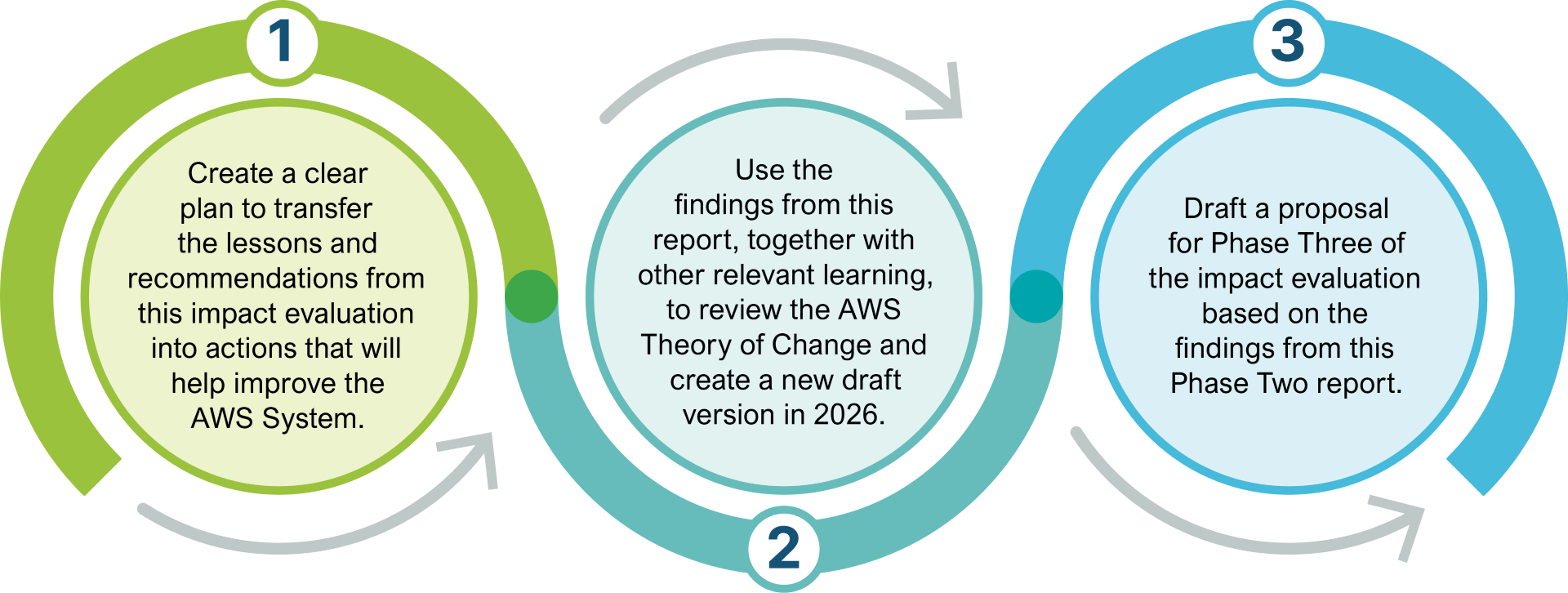
AWS will focus on the findings of the evaluation and follow up on the recommendations, which include:

  • Promote broader recognition of the AWS Standard and AWS Certification: Increase awareness and recognition of AWS Certification among governments, regulators and stakeholders to enhance its influence and reduce reporting burdens.
  • Feedback learning from the impact evaluation to improve AWS System processes: Address feedback from site managers to refine documentation, audit consistency and usability of AWS Guidance materials.
  • Refine the AWS System Theory of Change: Update the Theory of Change to include new interventions and investigate membership growth, especially among Small and Medium-sized Enterprises (SMEs).
  • Undertake further research: Study economic and social and cultural equity impacts and AWS Certification uptake, as well as contribution to the OECD Principles on Water Governance and water policy, across regions and sectors to better understand barriers and benefits.

Want to go deeper?

Explore the report in full or the summary version.

Explore AWS Certification​

Interested in getting certified against the AWS Standard?