
Written by Maheen Malik, AWS Water and Climate Policy Coordinator
What comes to mind when you think of Tanzania?
The Serengeti? Zanzibar? Kilimanjaro? Or the Masai?
But did you know Tanzania is also home to some of Africa’s most significant lakes, including Lake Victoria (Africa’s largest lake shared between Tanzania, Kenya and Uganda), Lake Tanganyika (the world’s second-largest freshwater lake by volume and the second deepest) and many more. In the past couple of years, there has been rapid urbanisation and industrialisation in the country, with the efforts to position Tanzania as a growing industrial hub in Africa.
But can industrialisation happen without steady and sustainable water resources?
As of late 2025, there is a severe water crisis in one of Tanzania’s largest cities, Dar es Salaam. The city experienced water shortages to the point that local authorities had to ration water, with some homes getting water once a week and some even less. The drought and growing demand for water had been persistent for months, affecting communities, the environment and the economy, hampering any type of growth.
Simultaneously, other cities in the country are also facing similar water crises due to compounding water challenges – intensifying impacts of climate change, causing long periods of droughts and floods, untreated industrial effluent discharge causing water pollution and limited and ageing infrastructure causing limited supply of water.
To solve a crisis of this scale, an equal scale of collective effort is necessary. Therefore, as part of GIZ Green and Smart Cities SASA program, a capacity development initiative for both the private and public sectors was launched in collaboration with the Alliance for Water Stewardship (AWS) and LeafTurtle.
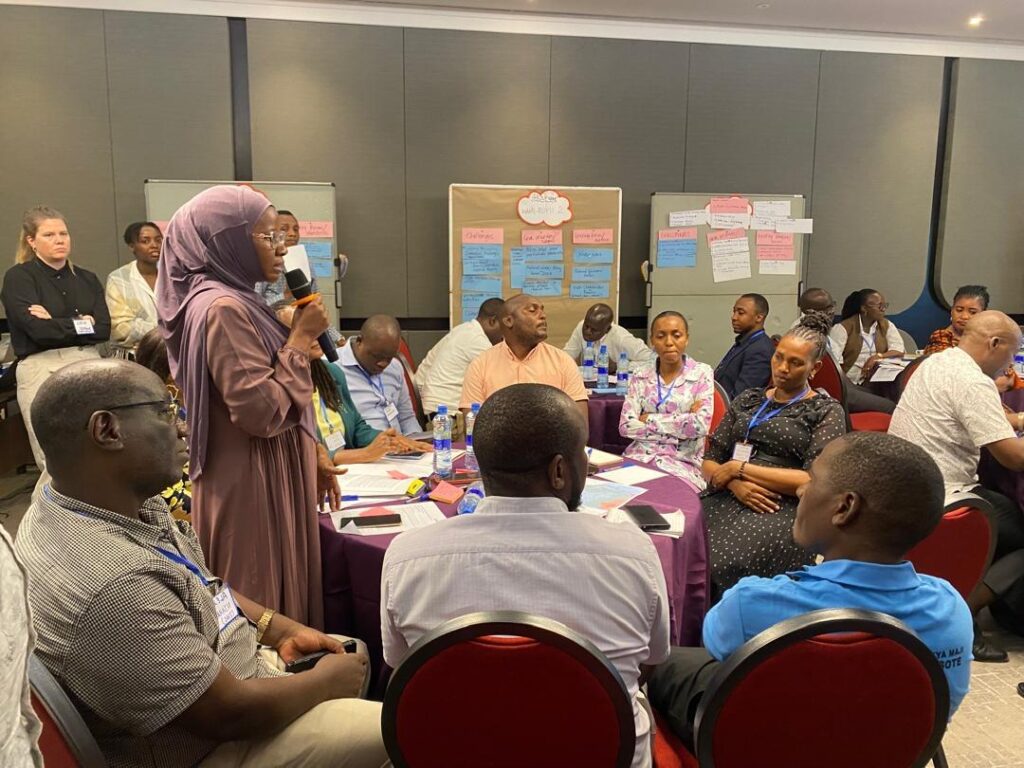
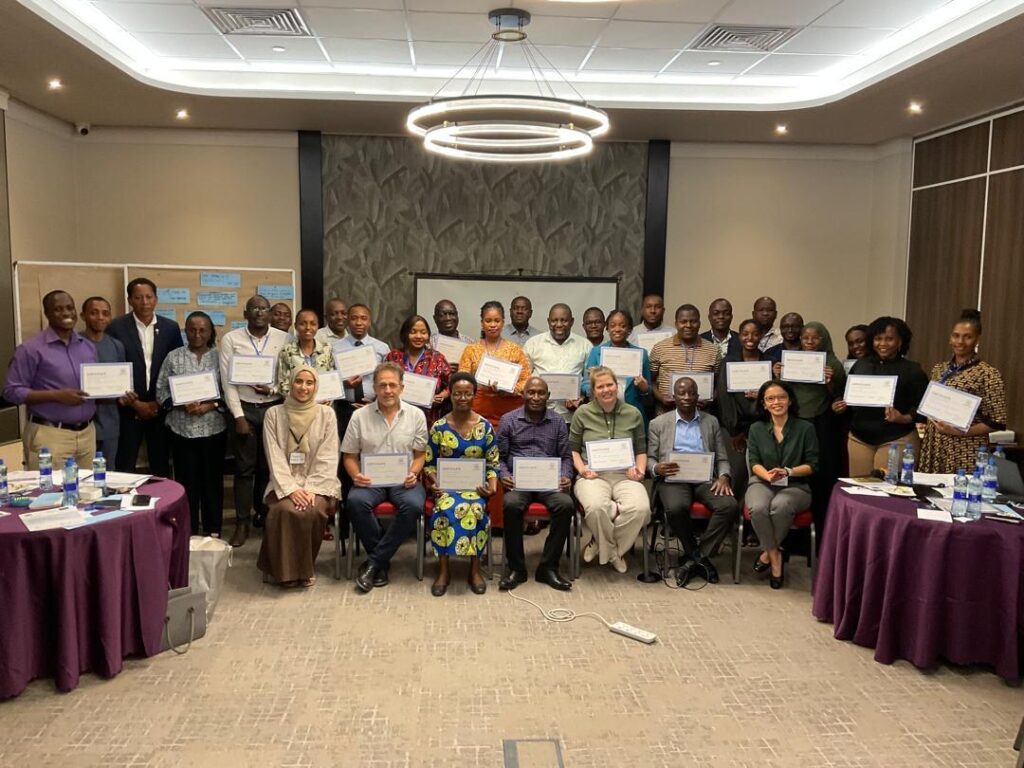
On the 11-12 February 2026, AWS delivered its AWS water stewardship for public sector training module, adapted to the unique challenges and opportunities for water stewardship in Tanzania. More than 30 participants, representing various public sector institutions such as the Ministry of Water Resources, the Vice President’s Office, the Fisheries Department, the Ministry of Industry and Trade, water basin boards and many more from Dar es Salaam, Tanga, Mwanza and Dodoma participated.
The training course was held in Dar es Salaam and spanned over two days. It was developed to help public sector participants use water stewardship to build trust-based relationships with private sector institutions and other non-state organisations. These relationships can create opportunities for more collective actions for responsible water management in the catchment, which can lead to stronger compliance to water-related regulations and, potentially, boost resilience of the catchment and jurisdiction.
The training was the first step towards building a public sector that has greater awareness of water stewardship. Over the next couple of months, AWS will continue to engage with the participants to better understand how water stewardship can best support their national targets.
If you are interested to learn more about AWS’s public sector training offer, please contact us.