

When addressing joint water resources risks, collective action through water stewardship is essential. However, ideas alone are not enough. Real change is driven by those with vision, ambition and determination. These qualities were evident among the change makers of the Tanzanian water landscape at a recent meeting in Morogoro.
Earlier this year, the Alliance for Water Stewardship (AWS) delivered water stewardship training in Dar es Salam to equip public sector actors in Tanzania with the knowledge and tools to advance sustainable water management. Additional sessions were conducted by LeafTurtle in Mwanza and Tanga to co-build standard operating procedures (SOPs) and water stewardship action plans. Both activities were part of a larger initiative implemented by GIZ Tanzania and EAC through the Green and Smart Cities SASA Programme that is financed by the German Federal Ministry for Economic Cooperation and Development (BMZ) and co-financed by the European Union.
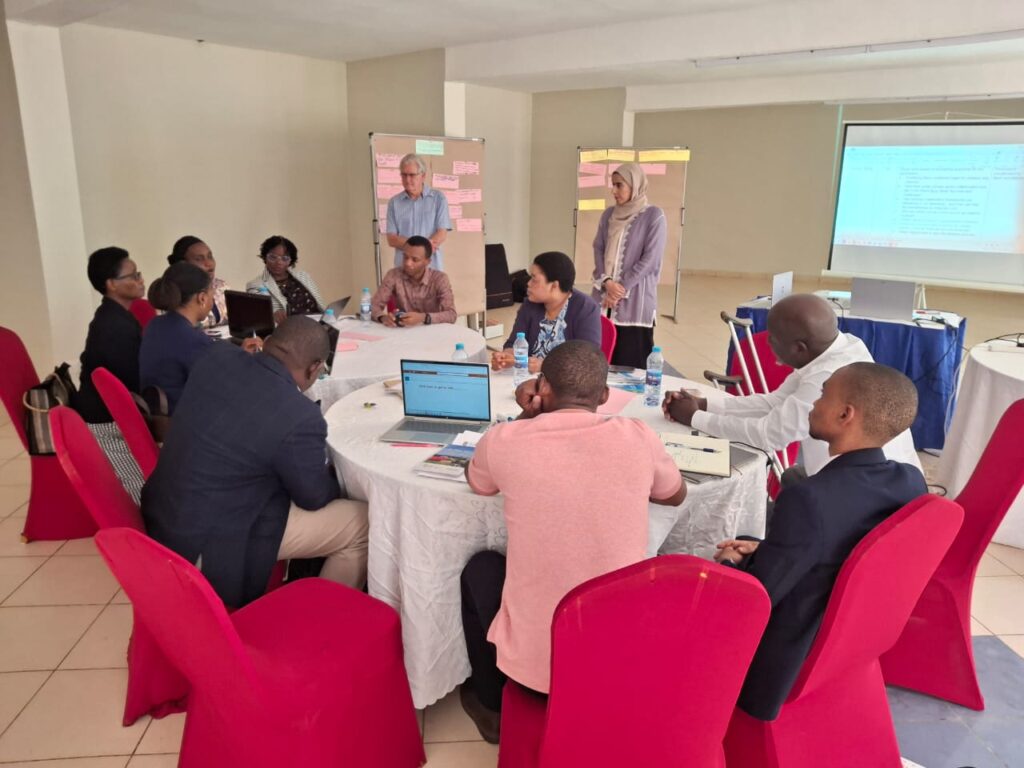
Following the success of these workshops, it was clear, there was a rising interest to increase the uptake of water stewardship in Tanzania in a more pragmatic way. On 16 July 2026, representatives across government and the private sector met to discuss how to accelerate water stewardship action. Attendees included:
- Ministry of Water (MoW)
- Tanzania Investment and Special Economic Zones Authority (TISEZA)
- National Environment Management Council (NEMC)
- Tanga Water Supply and Sanitation Authority (Tanga UWASSA)
- Dar es Salaam Water Supply and Sanitation Authority (DAWASA)
- Pangani Basin Water Board (PBWB)
- Wami Ruvu Basin Water Board (WRBWB)
- Bakhresa Group
The AWS Accelerator Programme
The workshop focused on exploring how the AWS Accelerator programme could work for Tanzania, with support from the public sector. Designed as a collaborative, place-based approach to water stewardship, the Accelerator brings multiple sites, farms and suppliers together to advance water stewardship through the AWS Standard while creating enabling conditions for collective action. It helps participants share costs, build peer support and maximise impact. The Accelerator by default is designed to be adaptive and flexible to respond to local context, stakeholders and shared water challenges. To date, AWS has run Accelerators in Bangladesh, China, Spain and India, with more recent programmes launched in Malawi and Mexico.
Some of the key questions that framed the discussion during the workshop included:
- Which region to potentially initiate the Accelerator programme?
- Who would be key collaborators?
- What challenges exist which could be eased by using the Accelerator?
- Which of the public sector departments would lead the initiative?
- What are the opportunities for funding?
The discussions also highlighted the potential role of the AWS Accelerator in strengthening public private collaborations, supporting improved compliance and creating alignment of goals and targets between the public and private sectors.
After extensive discussions, the Coast Catchment within the Wami Ruvu Basin was prioritised for initiating the Accelerator programme, as it provides water to larger cities including Dar es Salam and Dodoma, which are seeing a rise in industrial activity. It was also decided to potentially embed the initiative into GIZ’s existing platform of Stewardship Partnership for Sustainable Industrial Zones (STEP-SIZ) (as a separate thematic topic), which falls under the Catchment Forum.
Furthermore, there was a unanimous consensus for WRBWB along with TISEZA to jointly lead the initiative because of their existing partnership with the STEP-SIZ partnership and TISEZA’s relationship with the private sector.
These practical and tangible outputs laid the groundwork for how water stewardship can progress in Tanzania. The interest and determination shared in the meeting was a reminder that there is strength in collective action. By combining public regulatory power with private sector resources Tanzania can potentially position itself as a regional leader in sustainable development and collaborative water governance.
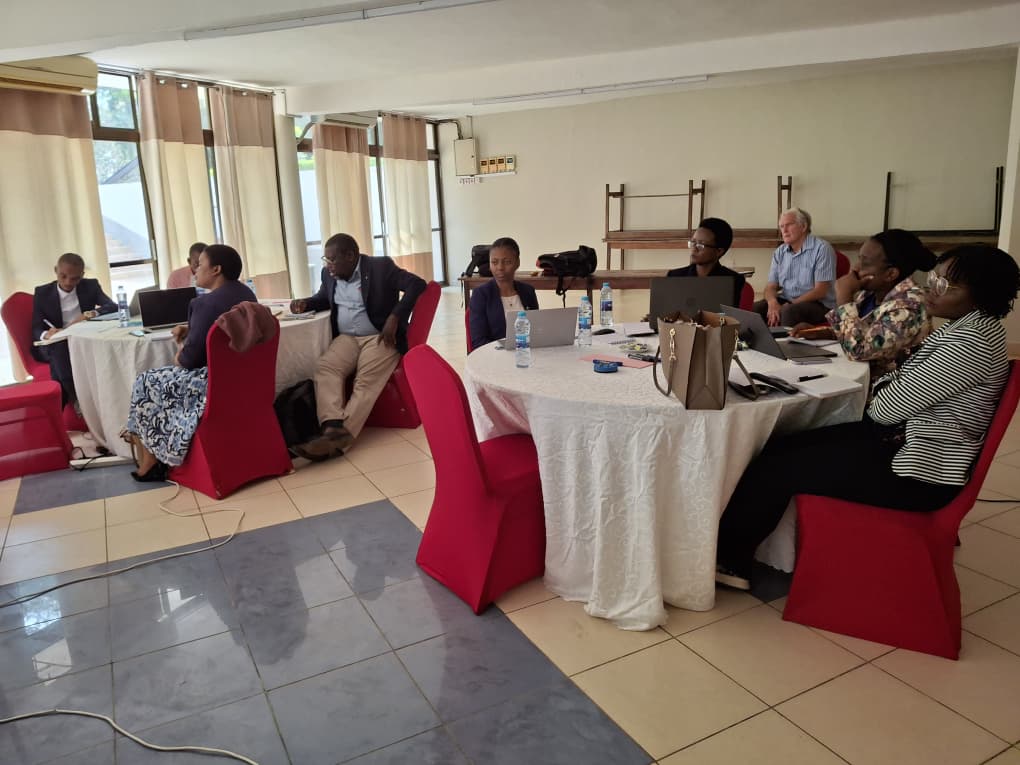
Image credits: Joshua Ndongolo, GIZ Tanzania