
Search

Resource and document centre

Month: August 2026

Turning ideas into action: Exploring the AWS Accelerator for Tanzania

When addressing joint water resources risks, collective action through water stewardship is essential. However, ideas alone are not enough. Real change is driven by those with vision, ambition and determination. These qualities were evident among the change makers of the Tanzanian water landscape at a recent meeting in Morogoro.  

Earlier this year, the Alliance for Water Stewardship (AWS) delivered water stewardship training in Dar es Salam to equip public sector actors in Tanzania with the knowledge and tools to advance sustainable water management. Additional sessions were conducted by LeafTurtle in Mwanza and Tanga to co-build standard operating procedures (SOPs) and water stewardship action plans. Both activities were part of a larger initiative implemented by GIZ Tanzania and EAC through the Green and Smart Cities SASA Programme that is financed by the German Federal Ministry for Economic Cooperation and Development (BMZ) and co-financed by the European Union. 
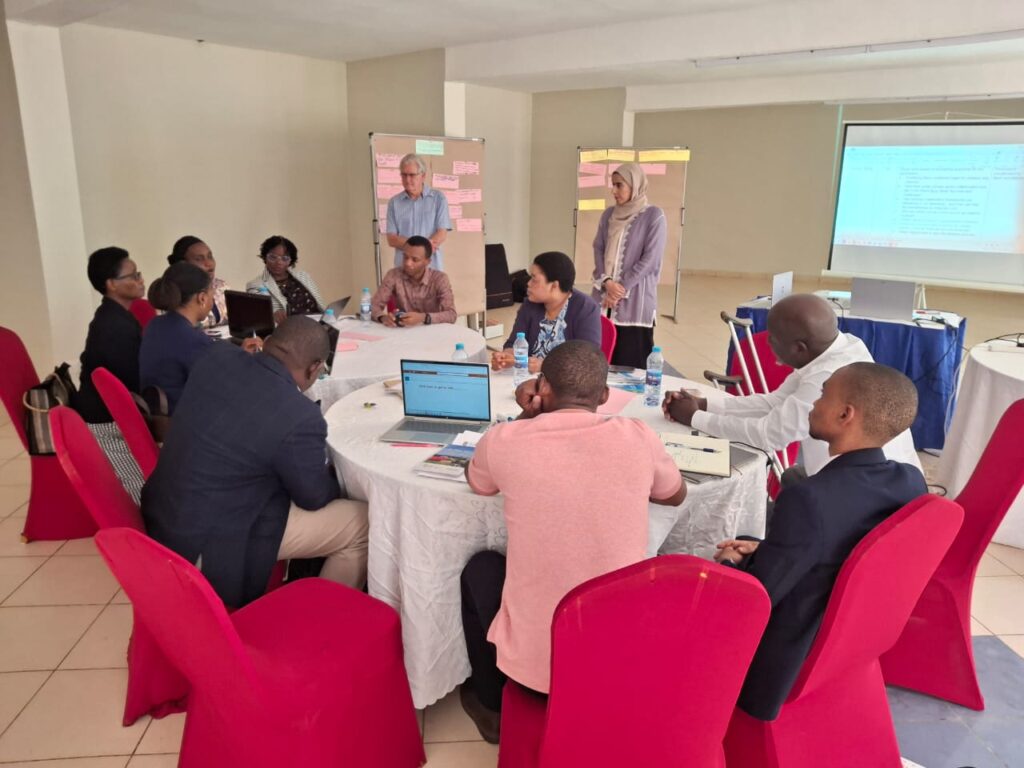
Following the success of these workshops, it was clear, there was a rising interest to increase the uptake of water stewardship in Tanzania in a more pragmatic way. On 16 July 2026, representatives across government and the private sector met to discuss how to accelerate water stewardship action. Attendees included: 

  • Ministry of Water (MoW) 
  • Tanzania Investment and Special Economic Zones Authority (TISEZA) 
  • National Environment Management Council (NEMC) 
  • Tanga Water Supply and Sanitation Authority (Tanga UWASSA) 
  • Dar es Salaam Water Supply and Sanitation Authority (DAWASA) 
  • Pangani Basin Water Board (PBWB) 
  • Wami Ruvu Basin Water Board (WRBWB) 
  • Bakhresa Group 

The AWS Accelerator Programme

The workshop focused on exploring how the AWS Accelerator programme could work for Tanzania, with support from the public sector. Designed as a collaborative, place-based approach to water stewardship, the Accelerator brings multiple sites, farms and suppliers together to advance water stewardship through the AWS Standard while creating enabling conditions for collective action. It helps participants share costs, build peer support and maximise impact. The Accelerator by default is designed to be adaptive and flexible to respond to local context, stakeholders and shared water challenges. To date, AWS has run Accelerators in Bangladesh, China, Spain and India, with more recent programmes launched in Malawi and Mexico.  

Some of the key questions that framed the discussion during the workshop included: 

  • Which region to potentially initiate the Accelerator programme? 
  • Who would be key collaborators?  
  • What challenges exist which could be eased by using the Accelerator? 
  • Which of the public sector departments would lead the initiative? 
  • What are the opportunities for funding?  

The discussions also highlighted the potential role of the AWS Accelerator in strengthening public private collaborations, supporting improved compliance and creating alignment of goals and targets between the public and private sectors. 

After extensive discussions, the Coast Catchment within the Wami Ruvu Basin was prioritised for initiating the Accelerator programme, as it provides water to larger cities including Dar es Salam and Dodoma, which are seeing a rise in industrial activity. It was also decided to potentially embed the initiative into GIZs existing platform of Stewardship Partnership for Sustainable Industrial Zones (STEP-SIZ) (as a separate thematic topic), which falls under the Catchment Forum. 

Furthermore, there was a unanimous consensus for WRBWB along with TISEZA to jointly lead the initiative because of their existing partnership with the STEP-SIZ partnership and TISEZA’s relationship with the private sector. 

These practical and tangible outputs laid the groundwork for how water stewardship can progress in Tanzania. The interest and determination shared in the meeting was a reminder that there is strength in collective action. By combining public regulatory power with private sector resources Tanzania can potentially position itself as a regional leader in sustainable development and collaborative water governance.
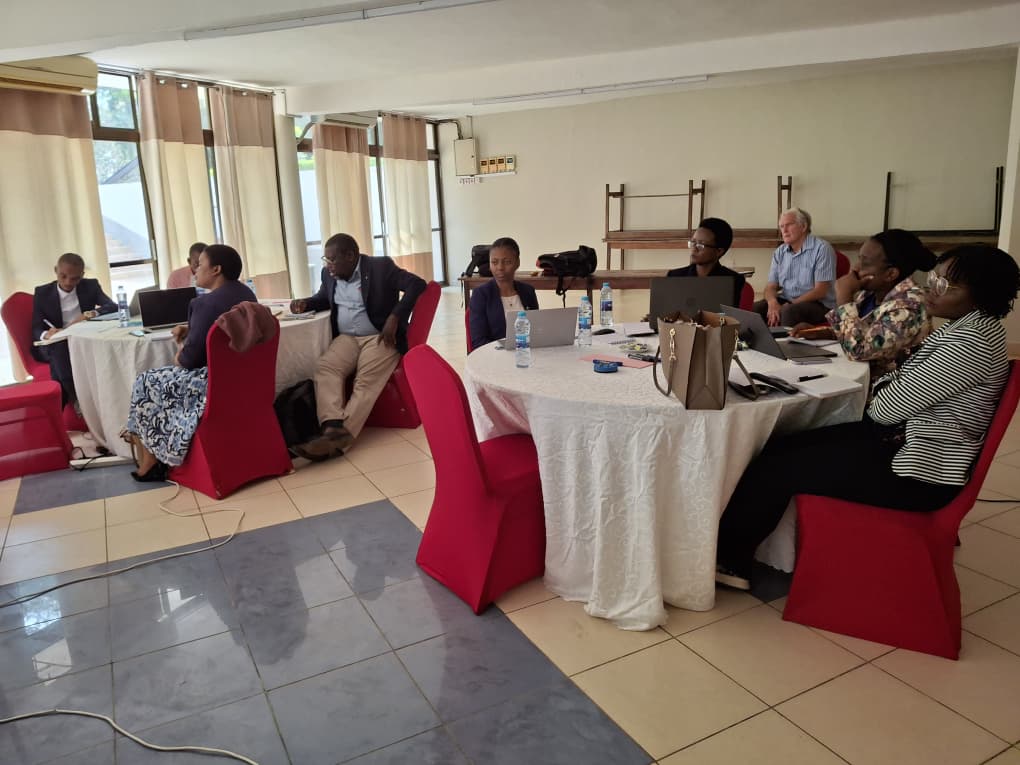
Image credits: Joshua Ndongolo, GIZ Tanzania

Q&A with AWS Project Coordinator, Jasmine Thompson

We’re delighted to welcome Jasmine to the AWS team as Project Coordinator!

Jasmine is based in Washington, DC, USA. In her new role, she will be working closely with the Sectors Team, supporting AWS Members and partners across our global network and planning the Global Water Stewardship Forum.

What inspired you to focus your career on water stewardship?

My path into water stewardship is a little unconventional. I originally came from a public health background and later specialised in Environmental Health Science and Policy during my Master of Public Health program. Throughout my studies, it became increasingly clear that water sits at the heart of so many environmental and public health challenges. Water scarcity, quality and equitable access have far-reaching impacts on ecosystems, communities and human health, which made me realise how interconnected these issues really are. 

Interestingly, my interest in environmental health began with water. During the final semester of my undergraduate degree, one of the very first topics covered in my Environmental Health course was water stewardship. That course completely changed the direction of my career, inspiring me to move beyond traditional public health and pursue environmental health instead. Joining AWS feels like a full-circle moment because I now have the opportunity to contribute to the very field that first sparked my passion for environmental sustainability and stewardship. 

What also drew me to AWS is that water stewardship goes beyond water itself. It recognises the connections between water, people, biodiversity, climate and the wider environment, and I find that systems-based approach incredibly meaningful. 

Supporting the AWS Forum is something I'm especially looking forward to, as it's a unique opportunity to connect with the global water stewardship community and help create meaningful conversations and partnerships.

What are you most looking forward to as the AWS Project Coordinator?

I’m excited to contribute to projects that help advance responsible water stewardship around the world while learning from colleagues, members, and partners across such a diverse global network. Having already attended my first AWS Global Water Stewardship Forum, I saw firsthand how valuable it is to bring together people from different sectors and countries to share ideas and collaborate on solutions. Supporting the AWS Forum is something I’m especially looking forward to, as it’s a unique opportunity to connect with the global water stewardship community and help create meaningful conversations and partnerships. 

More broadly, I’m looking forward to supporting the Sectors Team across a variety of projects, engaging with AWS Members, and continuing to deepen my understanding of water stewardship while contributing to the organisation’s mission. 

What do you enjoy doing outside of work?

Outside of work, I enjoy staying active and spending time outdoors. I grew up playing sports and continued competing as an athlete through college, so fitness is still a big part of my life. You’ll often find me weight training, running, hiking or playing basketball (or watching a game whenever I get the chance!). 

I also enjoy line dancing and country swing dancing, which are great ways to unwind and meet new people. When I’m looking for a slower-paced weekend, I love exploring art museums and museums around Washington, DC and wherever my travels take me. 

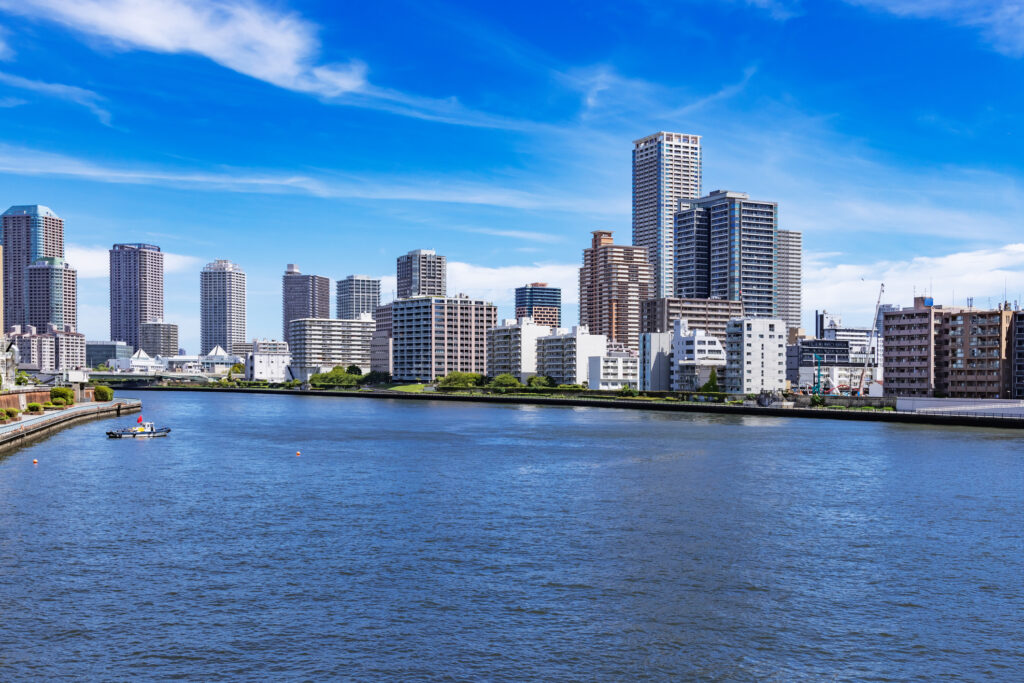
Urban buildings on the waterfront in Japan. iStock/taka4332

Japan in Focus:テック業界におけるウォーター・スチュワードシップの重要性

現在、半導体製造施設の40%が、2030年までに深刻な水不足リスクにさらされると予測される地域に位置していることをご存じでしょうか。こうした課題の高まりを受け、AWSは業界パートナーと協力しながら、情報通信技術(テック/ICT)業界における水リスクへの理解を促進し、企業が自社操業内だけでなくサプライチェーン全体も視野に入れた水資源管理に取り組めるよう支援しています。 

テック業界におけるAWSのパートナーシップ

この取り組みの一環として、AWSはResponsible Business Alliance(RBA)と戦略的パートナーシップを構築しています。両組織は数年にわたり協力し、水リスクとウォータースチュワードシップに関する一連のリソースを共同で出版することで、テック業界におけるウォータースチュワードシップの普及を推進してきました。* 

本シリーズの最新レポートである「Guide to Water Risk and Stewardship(水リスクとウォータースチュワードシップのガイド)」では、テック企業が水リスクを特定し、ウォータースチュワードシップの取り組みを実践するための具体的な指針を提供しています。また、本ガイドでは、水に関する課題の多くは同じ流域内で共有されるものであり、その解決には複数のステークホルダーが参加する地域に根ざした協働アプローチが必要であることを強調しています。 

AWSはまた、SEMIをはじめとする業界団体や主要テック企業との連携を継続し、半導体バリューチェーン全体における責任ある水資源管理の推進に取り組んでいます。こうした課題の重要性は、先日開催されたAWS Global Water Stewardship Forumでも取り上げられ、ファイナンス分野に焦点を当てたセッションでは、テック業界とその拡大する水使用量(ウォーター・フットプリント)が重要なテーマの一つとして議論されました。 

日本におけるテック業界

日本は、クラウドサービスやAI、デジタルインフラへの需要拡大を背景に、データセンター開発が急速に進む地域の一例です。2025年時点で日本にはすでに222カ所のデータセンターがあり、AIとハイパースケールクラウドへの需要拡大を受けて、新設および拡張されるデータセンターへの年間投資額は2028年までに1兆円を超えると予測されています。こうした施設はデジタル経済を支える重要な基盤ですが、採用される技術や立地によっては、大量の水を必要とする場合があります。日本各地で新たなデータセンターの計画・建設が進むなか、特にすでに水ストレスを抱えている地域や、水需要が競合している地域では、地域の水資源への影響を懸念する声も高まっています。 

こうした議論の中、AWSは、Japan Water Stewardship Leadership Group(JWS)の創設メンバーの一社である栗田工業株式会社の荻野かおり氏に、水リスクの高まりや、同社が半導体・テクノロジー企業のウォーター・スチュワードシップ推進をどのように支援しているかについて話を伺いました。詳細は以下の動画をご覧ください。 

栗田工業インタビューのポイント

  • ICT業界は水への依存度が高い。半導体製造をはじめとするICT業界では、水の量と水質の両方が重要である。特に半導体製造では、生産工程に大量の超純水が不可欠である。 
  • 超純水は半導体の品質を支える重要な要素である。ごくわずかな不純物でも半導体の性能や信頼性に影響を及ぼす可能性があるため、超純水はチップ製造において極めて重要な役割を果たしている。 
  • 水のリサイクルはすでに広く普及している。多くの半導体製造施設では、水利用の効率化と取水量の削減を目的として、使用した水の60~80%を再利用している。 
  • AIの普及拡大に伴い、水需要も増加している。高度な半導体製造や水冷式データセンターの拡大により、AI関連インフラが必要とする水資源の需要は増加している。 
  • ウォータースチュワードシップは企業の水リスク管理に貢献する。地域社会やさまざまなステークホルダーとの連携を促進することで、持続可能な水資源の確保や長期的なレジリエンス(回復力・適応力)の強化につながる。 

熊本で進むマルチステークホルダーとの協働

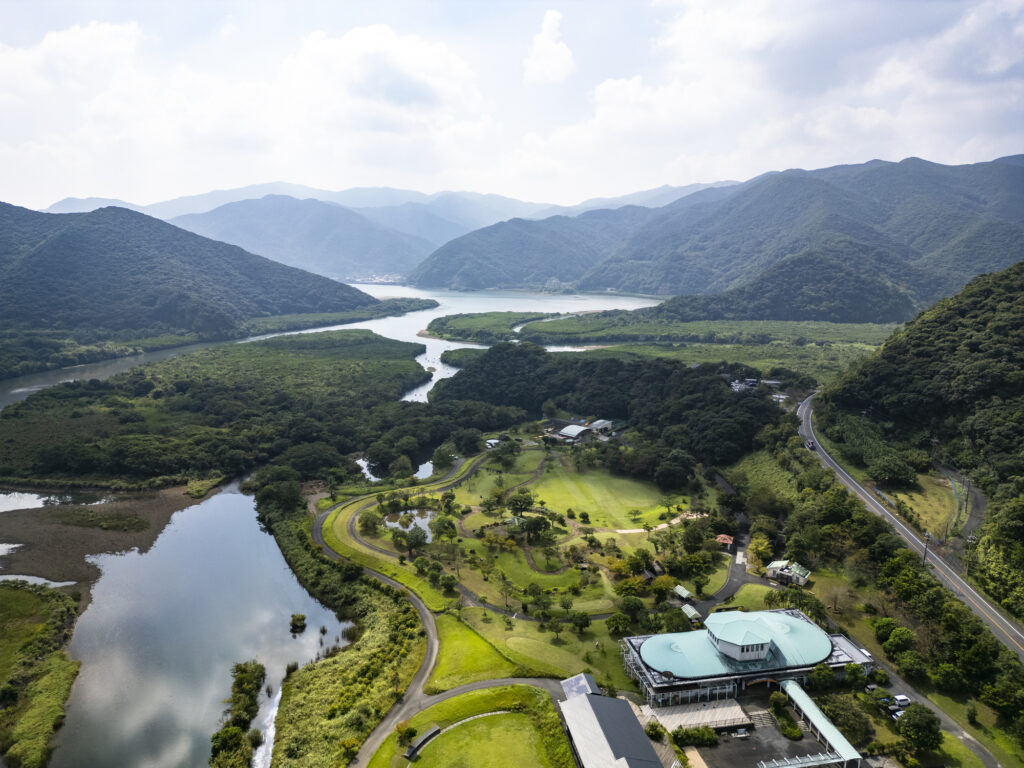
テック業界における水利用の事例として、地域の水資源の管理と保全を目的とした協働的な取り組みが進む熊本地域が挙げられます。2026年にGlobal Nature Positive Summitが開催された熊本では、JWS(Japan Water Stewardship Leadership Group)のメンバーであるサントリーおよびMS&ADインシュアランスグループをはじめとするパートナーが、熊本ウォーターポジティブ・デザインセンターを設立するとともに、初のホワイトペーパ地下水を未来へつなぐ。熊本モデルが示すAI時代の水資源と経済の両立を公開しました 

本取り組みは、地下水の涵養の促進、流域のレジリエンス強化、そして企業、研究機関、金融機関、地域コミュニティの連携促進を目的としています。デジタルインフラの拡大が進むなか、同センターのような取り組みは、経済成長と共有水資源の持続可能な管理との両立に向けて、業界や組織の枠を超えた協働が重要であることを示しています 

データセンターや半導体、デジタル技術への需要が拡大し続けるなか、テック業界の企業には、自社の操業範囲内けでなく、事業を展開する地域社会や環境にとって重要な水資源を守るため、連携して取り組むことが求められています。日本をはじめ世界各地では、すでにウォータースチュワードシップを積極的に推進する企業が先進的な取り組みを進めています。テック業界におけるウォーターチュワードシップについて詳しく知りたい方は、ぜひAWSまでお問い合わせください 

*このシリーズのレポートの一部は、ICTサプライチェーン全体でウォーター•スチュワードシップの取り組みを促進するために、AppleとAWSによる複数年にわたるパートナーシップにより作成されました。

Urban buildings on the waterfront in Japan. iStock/taka4332

Japan in focus: Why water stewardship matters in the tech sector

Did you know forty percent of all current semiconductor manufacturing facilities are situated in catchments expected to face the most severe water stress risks by 2030? Recognising this growing challenge, AWS has been working closely with industry partners to help companies better understand water risks across the information and communication technology (tech/ICT) sector and take water stewardship action, extending beyond their own operations.

AWS partnerships in tech

As part of this work, AWS has built a strategic partnership with the Responsible Business Alliance (RBA). Together, the two organisations have collaborated for several years to advance the uptake of water stewardship in the tech sector through development of a series of resources on water risk and stewardship*. The most recent tool in this series is a Guide to Water Risk and Stewardship, provides practical guidance for tech companies on identifying water risks and implementing water stewardship approaches. The guide emphasises that many water-related challenges are shared within a catchment and require place-based, collaborative solutions involving multiple stakeholders.

AWS also continues to engage with industry organisations such as SEMI and leading tech companies to promote responsible water management across the semiconductor value chain. The importance of these issues was reflected at the recent AWS Global Water Stewardship Forum, where the tech sector and its growing water footprint emerged as one of the key topics of discussion in a finance-focussed session.

The tech sector in Japan

Japan is just one example of a region experiencing rapid growth in data centre development, driven by increasing demand for cloud services, artificial intelligence (AI) and digital infrastructure. Japan is already home to 222 data centre as of 2025, and it is forecasted that annual investment in new and expanded data centres will exceed ¥1 trillion by 2028, driven by AI and hyperscale cloud demand. While these facilities are essential to the digital economy, depending on the technology and location used, they may require significant amounts of water.

As more data centres are planned and constructed across Japan, concerns are emerging about their potential impacts on local water resources, particularly in regions already facing water stress or competing water demands. As part of this discussion, we spoke with Ms. Kaori Ogino from Kurita Water Industries, one of the founding members of Japan Water Stewardship Leadership Group (JWS), about emerging water risks in the tech sector and how the company is supporting semiconductor and technology companies on their water stewardship journeys. Watch the video below to learn more:

Kurita interview highlights

  • The ICT industry relies heavily on water, both in terms of quantity and quality, especially semiconductor manufacturing, where large volumes of ultra-pure water are essential for production.
  • Ultra-pure water is critical for chip quality, as even tiny contaminants can affect semiconductor performance and reliability.
  • Water recycling is already common, with many semiconductor facilities reusing 60-80% of their water to improve efficiency and reduce demand.
  • AI growth is increasing water demand, as advanced chip manufacturing and water-cooled data centres require significant water resources.
  • Water stewardship helps businesses manage water risks, by promoting collaboration with communities and stakeholders to secure sustainable water supplies and build long-term resilience.

Multistakeholder collaboration in Kumamoto

One example of water use in the tech sector comes from Kumamoto, where collective action is taking place to help manage and protect local water resources. In Kumamoto, where the Global Nature Positive Summit 2026 was held, JWS members Suntory and MS&AD, together with other partners, recently launched the Kumamoto Water Positive Design Center (WPDC) and published its first white paper, ‘Recharging the Future: The Kumamoto Model for Water-Positive Growth in the Age of AI-Driven Industry.’ The initiative aims to promote groundwater recharge, enhance watershed resilience and foster collaboration among businesses, researchers, financial institutions and local communities. As digital infrastructure expands, initiatives such as the Kumamoto Water Positive Design Center demonstrate how cross-sector collaboration can help balance economic development with the sustainable management of shared water resources.

AWS also continues to engage with industry organisations such as SEMI and leading tech companies to promote responsible water management across the semiconductor value chain. The importance of these issues was reflected at the recent AWS Global Water Stewardship Forum, where the tech sector and its growing water footprint emerged as one of the key topics of discussion in a finance-focussed session.

With the demands for data centres, semiconductors and digital technologies continuing to grow, companies in the tech industry need to work collaboratively to ensure they are protecting water resources for their business, the communities they operate in and the environment. There are already companies leading the way on water stewardship in this industry in Japan and beyond. To find out more about water stewardship in the tech sector, get in touch with AWS.

* Some reports in this series were made possible by a multi-year partnership between Apple and AWS to catalyse uptake of water stewardship throughout ICT supply chains.

政策からパートナーシップへ:国土交通省に聞くウォーター・スチュワードシップへの取り組み

2014年に水循環基本計画が策定されて以来、日本では水に関する課題への理解促進と持続可能な水管理の推進を目的として、「水の日」をはじめとする普及啓発活動が進められています。また、流域全体で共有される水課題に対応するため、官民連携を通じた取り組みも積極的に推進されています。

2025年の「水の日」に、AWSはJapan Water Stewardship Leadership Group(JWS)と連携し、「Japan Water Stewardship Forum」を開催しました。同フォーラムでは、内閣官房 水循環政策本部事務局参事官補佐 田中 陽三 氏をお招きし、日本の水循環政策の最新動向や、企業との連携に関する今後の展望について基調講演を行っていただきました。

このたびAWSでは、田中氏にあらためてインタビューを行い、最新の政策動向や今後の重点課題に加え、ウォーター・スチュワードシップの推進や流域における協働的な水管理において、政府が企業に期待する役割について話を伺いました。

水に関する課題は行政のみで解決できるものではなく、持続可能な水の未来の実現には、流域に関わる企業、地域住民、行政など多様な主体の連携が不可欠です。 企業には、自社の活動における責任ある水資源管理に加え、流域全体の健全性やレジリエンスの向上に向けた取り組みに積極的に参画いただくことを期待しています。

Mr. Yozo Tanaka, Assistant Counselor, the Secretariat of the Headquarters for Water Cycle Policy, Cabinet Secretariat at the 2025 Japan Water Stewardship Forum

国土交通省のお立場から見て、なぜ流域管理やウォーター・スチュワードシップの取り組みに民間企業の参画が重要なのでしょうか。また、統合的な流域管理の実現に向けて、民間企業にはどのような役割を期待していますか。

まず日本の水管理を取り巻く課題についてご説明したいと思います。改定された水循環基本計画では、気候変動に伴う渇水や洪水リスクの増加、老朽化する水インフラ、地下水の保全・利用、生態系への影響など、さまざまな重要課題が挙げられています。これらの課題の多くは行政区域を越えて流域全体に及ぶため、解決には行政、企業、地域社会をはじめとする多様な主体の連携が不可欠です。

このため、水循環基本計画では、地域や分野の垣根を越えた連携を促進する「流域マネジメント(総合的・一体的な流域管理)」を推進しています。この考え方は、農業、生活、工業など多様な用途で水資源を共有している日本において特に重要です。日本の水利用量の内訳は、おおよそ農業用水が70%、生活用水が20%、工業用水が10%となっており、限られた水資源を持続的に活用するためには、すべての利用者が連携して取り組む必要があります。

このような背景のもと、ウォーター・スチュワードシップは、関係者が協働して課題解決に取り組むための有効な枠組みであると考えています。企業にはまず自社操業において責任ある水資源管理を実践していただくことが重要ですが、それに加え、地方自治体や地域住民、その他の関係者との連携を通じて、流域全体の課題解決にも貢献していただくことを期待しています。

具体的には、企業による森林保全活動、地下水涵養、雨水の浸透・貯留、洪水対策、水辺環境の保全などが挙げられます。また、近年は一部地域で取水制限を伴う深刻な渇水も発生していることから、雨水利用や再生水利用、省水技術の導入といった取り組みにも大きな期待を寄せています。

こうした取り組みは、流域のレジリエンス向上や持続可能な水資源管理につながります。同時に、水の重要性に対する国民の理解を深めることも重要であり、「水の日」や「水の週間」はそのための貴重な機会となっています。

出典:国土交通省

改定された水循環基本計画および「水循環企業登録・認証制度」に関する最近の動向について教えてください。

2024年8月に水循環基本計画が改定され、それに基づき全国でさまざまな施策が推進されています。その中でも重点施策の一つが、健全な水循環の維持・回復に向けた「流域マネジメント」の推進です。その取り組みの一環として、地域では「流域水循環計画」の策定が進められており、2026年3月時点で全国85地域において計画が策定されています。また、水循環政策本部事務局では、専門家派遣などを通じて自治体による取り組みを支援しています。

さらに、2024年度に開始された「水循環企業登録・認証制度」は、持続可能な水資源管理に貢献する企業を評価するとともに、企業間の連携や取り組みの見える化を促進することを目的としています。登録・認証企業数は着実に増加しており、2024年度の99社から2025年度には148社へと拡大しました。

現在は制度のさらなる発展に向けた検討も進めています。有識者による検討会において、自社の事業活動の枠を超え、流域全体の持続可能性向上に貢献する先進的かつ継続的な取り組みを評価する新たな認証区分の導入について議論を進めています。

水循環企業登録・認証制度の開始以降、参加企業にはどのような進展が見られますか。

制度導入後の前向きな変化の一つとして、認証企業同士の連携が広がっていることが挙げられます。その後押しとして開催しているのが「水循環企業連携フェア」です。このフェアでは、さまざまな業種の企業が集まり、知見や経験を共有するとともに、新たな連携の機会を創出しています。

当日は、有識者による講演や先進的な取り組みを進める認証企業の事例紹介が行われ、多くの参加者から「自社の取り組みをさらに発展させるきっかけになった」といった声をいただいています。

また、この水循環企業連携フェアは、流域ごとの課題や地域での実践事例を共有する場としても重要な役割を果たしています。今後もこうした交流の機会を充実させ、企業間の連携をさらに促進していきたいと考えています。

出典:内閣官房水循環政策本部事務局

ウォーター・スチュワードシップへの企業の参画をさらに広げていく上で、どのような課題があるとお考えですか。

大きな課題の一つは、参加する企業の多様性です。大企業は比較的多くのリソースを有しているため、幅広い取り組みを実施しやすい傾向があります。一方で、中小企業であっても、地域に根差した活動を通じて流域や地域社会に大きく貢献しているケースも少なくありません。そのため、企業規模だけでなく、地域社会や流域に対して実際にどのような価値を生み出しているかを適切に評価し、多様な取り組みを公平に認識できる認証・評価の仕組みを構築していくことが重要な課題であると考えています。

日本における企業のウォーター・スチュワードシップや流域レベルでの分野横断的な連携の強化に向けて、AWSにはどのような役割が期待できるとお考えですか。

民間企業の役割については先ほど申し上げたとおりですが、AWSをはじめとする国際的なウォーター・スチュワードシップの枠組みには、国内外の知見の共有や関係者間の対話を促進し、企業、行政、地域社会などによる流域レベルでの協働を後押しする役割が期待されると考えています。

From policy to partnership: Q&A on MLIT’s approach to water stewardship

Following the enactment of the Basic Plan on Water Cycle in 2014, the Government of Japan has been promoting outreach activities, such as Japan’s ‘Water Day’, to raise awareness of water-related issues, deepen public understanding of water as a vital resource and promote sustainable water management. At the same time, the Japanese government is actively seeking to strengthen collaboration with the private sector at the watershed level to address shared water challenges and advance sustainable water management.

On Japan’s ‘Water Day’ in 2025, AWS, in collaboration with the Japan Water Stewardship Leadership Group, hosted the Japan Water Stewardship Forum. At the event, we welcomed Mr. Yozo Tanaka, the Assistant Counselor for the Secretariat of the Headquarters for Water Cycle Policy, Cabinet Secretariat who delivered a keynote presentation on recent trends in Japan’s water cycle policies and the prospects for corporate collaboration. We recently had the opportunity to interview Mr. Tanaka again, who is currently serving as the Director for Sediment Management in the Water Resources Planning Division, Water Resources Department, Water and Disaster Management Bureau at Japan’s Ministry of Land, Infrastructure, Transportation, and Tourism (MLIT), to learn about the latest policy developments, future priorities and the role that the Japanese government expects companies to play in advancing water stewardship and collaborative river basin management.

Water-related challenges cannot be solved by governments alone. Achieving a sustainable water future requires collaboration among businesses, communities, governments and other stakeholders throughout each watershed. We encourage companies to look beyond their own operational boundaries and contribute to the long-term health and resilience of the watersheds on which we all depend.

Mr. Yozo Tanaka, Assistant Counselor, the Secretariat of the Headquarters for Water Cycle Policy, Cabinet Secretariat at the 2025 Japan Water Stewardship Forum

From the perspective of the Ministry of Land, Infrastructure, Transport and Tourism (MLIT), why is it important to involve private companies in river basin management and water stewardship initiatives? What role do you expect private companies to play in integrated watershed management?

Source: Japan MLIT

Before addressing that question directly, it is important to understand the broader challenges surrounding water management in Japan. The revised Basic Plan on Water Cycle Policy identifies several critical issues, including increased risks of droughts and floods due to climate change, aging water infrastructure, groundwater conservation and utilisation, and impacts on ecosystems. As many of these challenges extend beyond administrative boundaries and affect entire watersheds, effective solutions require collaboration among governments, businesses, communities and other stakeholders.

In response, the Basic Plan promotes integrated river basin management, encouraging cooperation across regions and sectors. This approach is particularly important in Japan, where water resources are shared among diverse users, including agriculture, households and industry. Japan’s water use is highly diverse, with agricultural use accounting for approximately 70%, domestic use 20% and industrial use 10%. Managing these limited water resources effectively requires coordination among all water users.

In this context, water stewardship initiatives provide an important framework for collective action. While companies should first and foremost manage water responsibly within their own operations, they can also play a valuable role in addressing broader challenges through partnerships with local governments, communities and other stakeholders. Examples include forest conservation, groundwater recharge, flood mitigation, rainwater utilisation, wastewater reuse and water-saving measures. In addition, as some regions of Japan have experienced severe droughts resulting in water-use restrictions in recent years, we also have high expectations for initiatives such as rainwater use, water reuse and the adoption of water-efficient technologies.

These efforts help strengthen resilience and support the sustainable management of shared water resources. At the same time, raising public awareness of the importance of water remains essential, and initiatives such as Japan’s annual ‘Water Day’ and ‘Water Week’ provide valuable opportunities to foster greater understanding and engagement.

Could you share recent developments regarding the revised Basic Plan on Water Cycle Policy and the Water Cycle Corporate Registration and Certification Program?

The Basic Plan on Water Cycle Policy was revised in August 2024. Based on this plan, a number of policies are being promoted nationwide. One of the priority initiatives is the expansion of integrated river basin management to support healthy water cycles.

As part of this effort, regional authorities are encouraged to develop Watershed Water Cycle Plans. As of March 2026, 85 such plans had been established across Japan. The Secretariat of the Headquarters for Water Cycle Policy supports local governments through expert dispatch programs and other advisory services.

The Water Cycle Company Registration and Certification Program, launched in 2024, aims to recognise companies contributing to sustainable water management while promoting visibility and collaboration among participating organisations.

The programme continues to grow steadily. The number of Water Cycle Companies increased from 99 in 2024 to 148 in 2025.

We are now exploring ways to further enhance the programme. Through discussions with an expert committee, we are considering new certification stages that recognise companies demonstrating advanced, long-term activities that extend beyond their own operations and contribute meaningfully to watershed-wide sustainability.

What changes have you observed among participating companies since the programme was introduced?

One positive development has been the growth of collaboration among the Water Cycle companies.

To support this, we have organised the Water Cycle Companies Collaboration Fair, which provides opportunities for companies from diverse industries to share knowledge and build new partnerships. The event features keynote presentations by experts as well as case studies from leading certified companies. Many participants have told us that these exchanges inspire them to strengthen and expand their own initiatives. We also see the fair as a valuable platform for discussing river basin-specific challenges and sharing lessons across regions. We hope to continue developing this event in the years ahead.

Source: The Secretariat of the Headquarters for Water Cycle Policy, Cabinet Secretariat

What challenges remain in expanding corporate engagement in water stewardship?

One of the key challenges is the diversity of participating companies. Large corporations often have greater resources and can implement a broader range of activities. At the same time, small and medium-sized enterprises may have a significant positive impact within their local watersheds despite operating on a smaller scale. Therefore, an important challenge is ensuring that certification and evaluation frameworks fairly recognise contributions based not only on company size, but also on the actual value created for local communities and watersheds.

What role do you see AWS playing in strengthening corporate water stewardship and cross-sector collaboration at the watershed level in Japan?

As I mentioned earlier regarding the role of the private sector, international water stewardship frameworks such as AWS are expected to play an important role in facilitating knowledge sharing across regions and countries, promoting dialogue among stakeholders and supporting collaborative action at the watershed level among businesses, governments and local communities.