

Search

Resource and document centre

Day: August 6, 2026

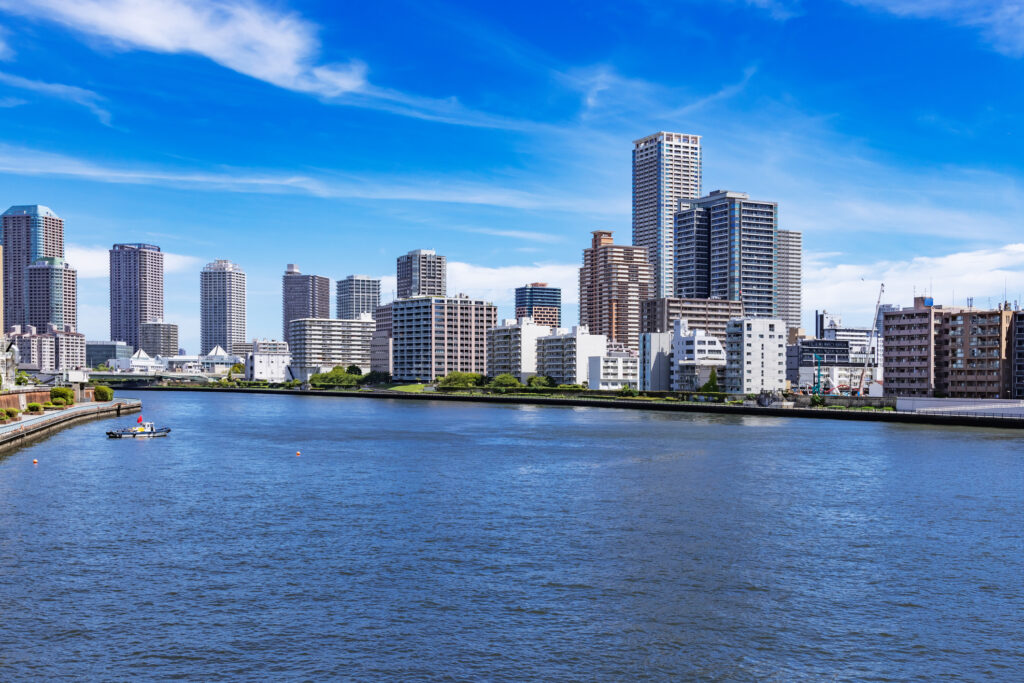
Urban buildings on the waterfront in Japan. iStock/taka4332

Japan in Focus:テック業界におけるウォーター・スチュワードシップの重要性

現在、半導体製造施設の40%が、2030年までに深刻な水不足リスクにさらされると予測される地域に位置していることをご存じでしょうか。こうした課題の高まりを受け、AWSは業界パートナーと協力しながら、情報通信技術(テック/ICT)業界における水リスクへの理解を促進し、企業が自社操業内だけでなくサプライチェーン全体も視野に入れた水資源管理に取り組めるよう支援しています。 

テック業界におけるAWSのパートナーシップ

この取り組みの一環として、AWSはResponsible Business Alliance(RBA)と戦略的パートナーシップを構築しています。両組織は数年にわたり協力し、水リスクとウォータースチュワードシップに関する一連のリソースを共同で出版することで、テック業界におけるウォータースチュワードシップの普及を推進してきました。* 

本シリーズの最新レポートである「Guide to Water Risk and Stewardship(水リスクとウォータースチュワードシップのガイド)」では、テック企業が水リスクを特定し、ウォータースチュワードシップの取り組みを実践するための具体的な指針を提供しています。また、本ガイドでは、水に関する課題の多くは同じ流域内で共有されるものであり、その解決には複数のステークホルダーが参加する地域に根ざした協働アプローチが必要であることを強調しています。 

AWSはまた、SEMIをはじめとする業界団体や主要テック企業との連携を継続し、半導体バリューチェーン全体における責任ある水資源管理の推進に取り組んでいます。こうした課題の重要性は、先日開催されたAWS Global Water Stewardship Forumでも取り上げられ、ファイナンス分野に焦点を当てたセッションでは、テック業界とその拡大する水使用量(ウォーター・フットプリント)が重要なテーマの一つとして議論されました。 

日本におけるテック業界

日本は、クラウドサービスやAI、デジタルインフラへの需要拡大を背景に、データセンター開発が急速に進む地域の一例です。2025年時点で日本にはすでに222カ所のデータセンターがあり、AIとハイパースケールクラウドへの需要拡大を受けて、新設および拡張されるデータセンターへの年間投資額は2028年までに1兆円を超えると予測されています。こうした施設はデジタル経済を支える重要な基盤ですが、採用される技術や立地によっては、大量の水を必要とする場合があります。日本各地で新たなデータセンターの計画・建設が進むなか、特にすでに水ストレスを抱えている地域や、水需要が競合している地域では、地域の水資源への影響を懸念する声も高まっています。 

こうした議論の中、AWSは、Japan Water Stewardship Leadership Group(JWS)の創設メンバーの一社である栗田工業株式会社の荻野かおり氏に、水リスクの高まりや、同社が半導体・テクノロジー企業のウォーター・スチュワードシップ推進をどのように支援しているかについて話を伺いました。詳細は以下の動画をご覧ください。 

栗田工業インタビューのポイント

  • ICT業界は水への依存度が高い。半導体製造をはじめとするICT業界では、水の量と水質の両方が重要である。特に半導体製造では、生産工程に大量の超純水が不可欠である。 
  • 超純水は半導体の品質を支える重要な要素である。ごくわずかな不純物でも半導体の性能や信頼性に影響を及ぼす可能性があるため、超純水はチップ製造において極めて重要な役割を果たしている。 
  • 水のリサイクルはすでに広く普及している。多くの半導体製造施設では、水利用の効率化と取水量の削減を目的として、使用した水の60~80%を再利用している。 
  • AIの普及拡大に伴い、水需要も増加している。高度な半導体製造や水冷式データセンターの拡大により、AI関連インフラが必要とする水資源の需要は増加している。 
  • ウォータースチュワードシップは企業の水リスク管理に貢献する。地域社会やさまざまなステークホルダーとの連携を促進することで、持続可能な水資源の確保や長期的なレジリエンス(回復力・適応力)の強化につながる。 

熊本で進むマルチステークホルダーとの協働

テック業界における水利用の事例として、地域の水資源の管理と保全を目的とした協働的な取り組みが進む熊本地域が挙げられます。2026年にGlobal Nature Positive Summitが開催された熊本では、JWS(Japan Water Stewardship Leadership Group)のメンバーであるサントリーおよびMS&ADインシュアランスグループをはじめとするパートナーが、熊本ウォーターポジティブ・デザインセンターを設立するとともに、初のホワイトペーパ地下水を未来へつなぐ。熊本モデルが示すAI時代の水資源と経済の両立を公開しました 

本取り組みは、地下水の涵養の促進、流域のレジリエンス強化、そして企業、研究機関、金融機関、地域コミュニティの連携促進を目的としています。デジタルインフラの拡大が進むなか、同センターのような取り組みは、経済成長と共有水資源の持続可能な管理との両立に向けて、業界や組織の枠を超えた協働が重要であることを示しています 

データセンターや半導体、デジタル技術への需要が拡大し続けるなか、テック業界の企業には、自社の操業範囲内けでなく、事業を展開する地域社会や環境にとって重要な水資源を守るため、連携して取り組むことが求められています。日本をはじめ世界各地では、すでにウォータースチュワードシップを積極的に推進する企業が先進的な取り組みを進めています。テック業界におけるウォーターチュワードシップについて詳しく知りたい方は、ぜひAWSまでお問い合わせください 

*このシリーズのレポートの一部は、ICTサプライチェーン全体でウォーター•スチュワードシップの取り組みを促進するために、AppleとAWSによる複数年にわたるパートナーシップにより作成されました。

Urban buildings on the waterfront in Japan. iStock/taka4332

Japan in focus: Why water stewardship matters in the tech sector

Did you know forty percent of all current semiconductor manufacturing facilities are situated in catchments expected to face the most severe water stress risks by 2030? Recognising this growing challenge, AWS has been working closely with industry partners to help companies better understand water risks across the information and communication technology (tech/ICT) sector and take water stewardship action, extending beyond their own operations.

AWS partnerships in tech

As part of this work, AWS has built a strategic partnership with the Responsible Business Alliance (RBA). Together, the two organisations have collaborated for several years to advance the uptake of water stewardship in the tech sector through development of a series of resources on water risk and stewardship*. The most recent tool in this series is a Guide to Water Risk and Stewardship, provides practical guidance for tech companies on identifying water risks and implementing water stewardship approaches. The guide emphasises that many water-related challenges are shared within a catchment and require place-based, collaborative solutions involving multiple stakeholders.

AWS also continues to engage with industry organisations such as SEMI and leading tech companies to promote responsible water management across the semiconductor value chain. The importance of these issues was reflected at the recent AWS Global Water Stewardship Forum, where the tech sector and its growing water footprint emerged as one of the key topics of discussion in a finance-focussed session.

The tech sector in Japan

Japan is just one example of a region experiencing rapid growth in data centre development, driven by increasing demand for cloud services, artificial intelligence (AI) and digital infrastructure. Japan is already home to 222 data centre as of 2025, and it is forecasted that annual investment in new and expanded data centres will exceed ¥1 trillion by 2028, driven by AI and hyperscale cloud demand. While these facilities are essential to the digital economy, depending on the technology and location used, they may require significant amounts of water.

As more data centres are planned and constructed across Japan, concerns are emerging about their potential impacts on local water resources, particularly in regions already facing water stress or competing water demands. As part of this discussion, we spoke with Ms. Kaori Ogino from Kurita Water Industries, one of the founding members of Japan Water Stewardship Leadership Group (JWS), about emerging water risks in the tech sector and how the company is supporting semiconductor and technology companies on their water stewardship journeys. Watch the video below to learn more:

Kurita interview highlights

  • The ICT industry relies heavily on water, both in terms of quantity and quality, especially semiconductor manufacturing, where large volumes of ultra-pure water are essential for production.
  • Ultra-pure water is critical for chip quality, as even tiny contaminants can affect semiconductor performance and reliability.
  • Water recycling is already common, with many semiconductor facilities reusing 60-80% of their water to improve efficiency and reduce demand.
  • AI growth is increasing water demand, as advanced chip manufacturing and water-cooled data centres require significant water resources.
  • Water stewardship helps businesses manage water risks, by promoting collaboration with communities and stakeholders to secure sustainable water supplies and build long-term resilience.

Multistakeholder collaboration in Kumamoto

One example of water use in the tech sector comes from Kumamoto, where collective action is taking place to help manage and protect local water resources. In Kumamoto, where the Global Nature Positive Summit 2026 was held, JWS members Suntory and MS&AD, together with other partners, recently launched the Kumamoto Water Positive Design Center (WPDC) and published its first white paper, ‘Recharging the Future: The Kumamoto Model for Water-Positive Growth in the Age of AI-Driven Industry.’ The initiative aims to promote groundwater recharge, enhance watershed resilience and foster collaboration among businesses, researchers, financial institutions and local communities. As digital infrastructure expands, initiatives such as the Kumamoto Water Positive Design Center demonstrate how cross-sector collaboration can help balance economic development with the sustainable management of shared water resources.

AWS also continues to engage with industry organisations such as SEMI and leading tech companies to promote responsible water management across the semiconductor value chain. The importance of these issues was reflected at the recent AWS Global Water Stewardship Forum, where the tech sector and its growing water footprint emerged as one of the key topics of discussion in a finance-focussed session.

With the demands for data centres, semiconductors and digital technologies continuing to grow, companies in the tech industry need to work collaboratively to ensure they are protecting water resources for their business, the communities they operate in and the environment. There are already companies leading the way on water stewardship in this industry in Japan and beyond. To find out more about water stewardship in the tech sector, get in touch with AWS.

* Some reports in this series were made possible by a multi-year partnership between Apple and AWS to catalyse uptake of water stewardship throughout ICT supply chains.